
Temporary Traffic Systems
When something goes wrong at the roadside, know before you go.
Temporary traffic equipment is rarely where your operations team is.
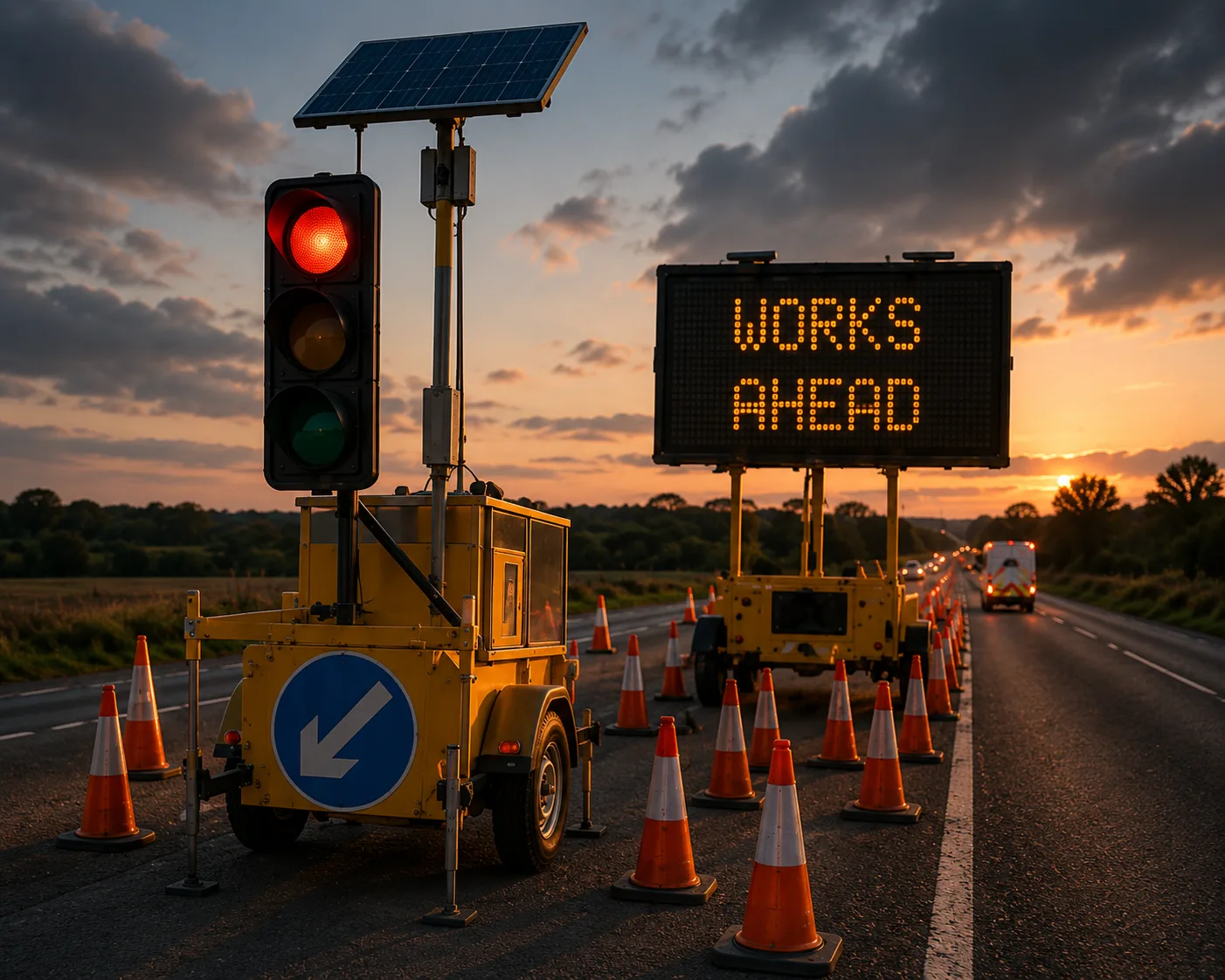
Traffic lights, signals and supporting equipment can be deployed across hundreds of locations, moved frequently and expected to operate reliably around the clock.
When something goes wrong, getting an engineer there is only part of the problem.
Knowing what they’re going to find when they arrive is the other.
Green Power Solutions develops technology to give temporary traffic operators better visibility of their equipment in the field.
Your assets never stay in one place.
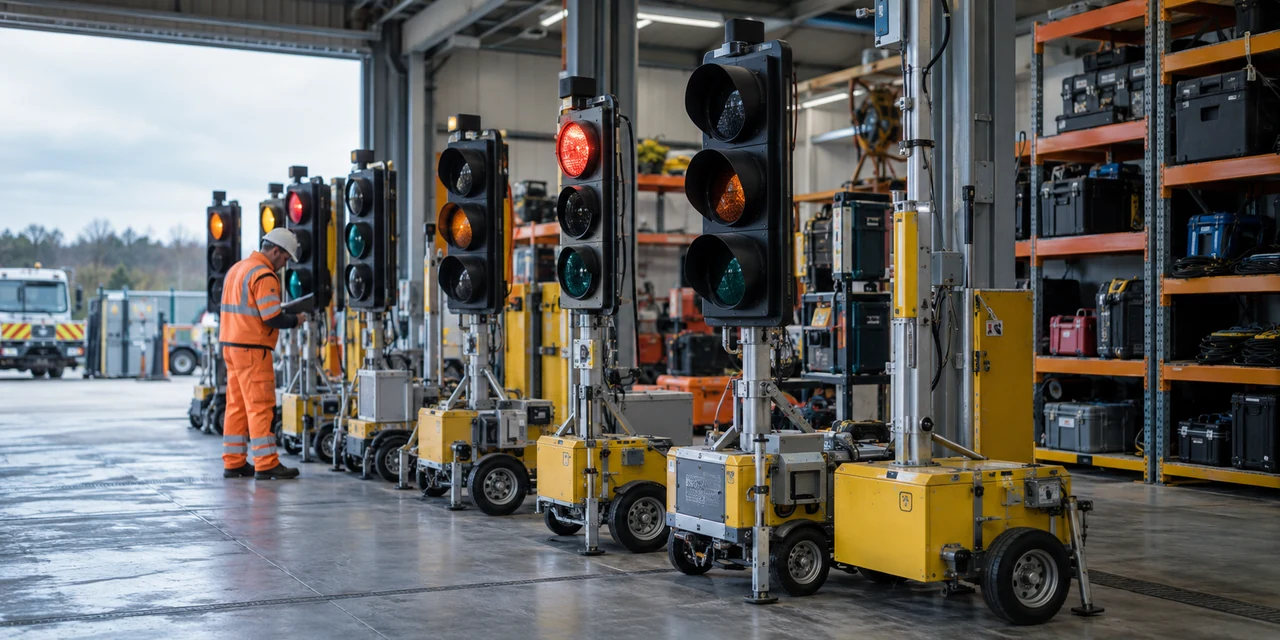
A temporary traffic fleet is constantly moving.
Equipment leaves the depot, moves between customer sites and eventually returns — sometimes weeks or months later.
That creates a very different operational challenge from managing fixed infrastructure.
Where is each asset? Is it where it should be? Is it operating correctly? What condition is its power system in? And, when something does go wrong, what does the engineer need to know before travelling to site?
Across a large fleet, visibility becomes an operational problem in its own right.
Know where your equipment actually is.
Temporary traffic equipment has value both when it is working and when it comes back.
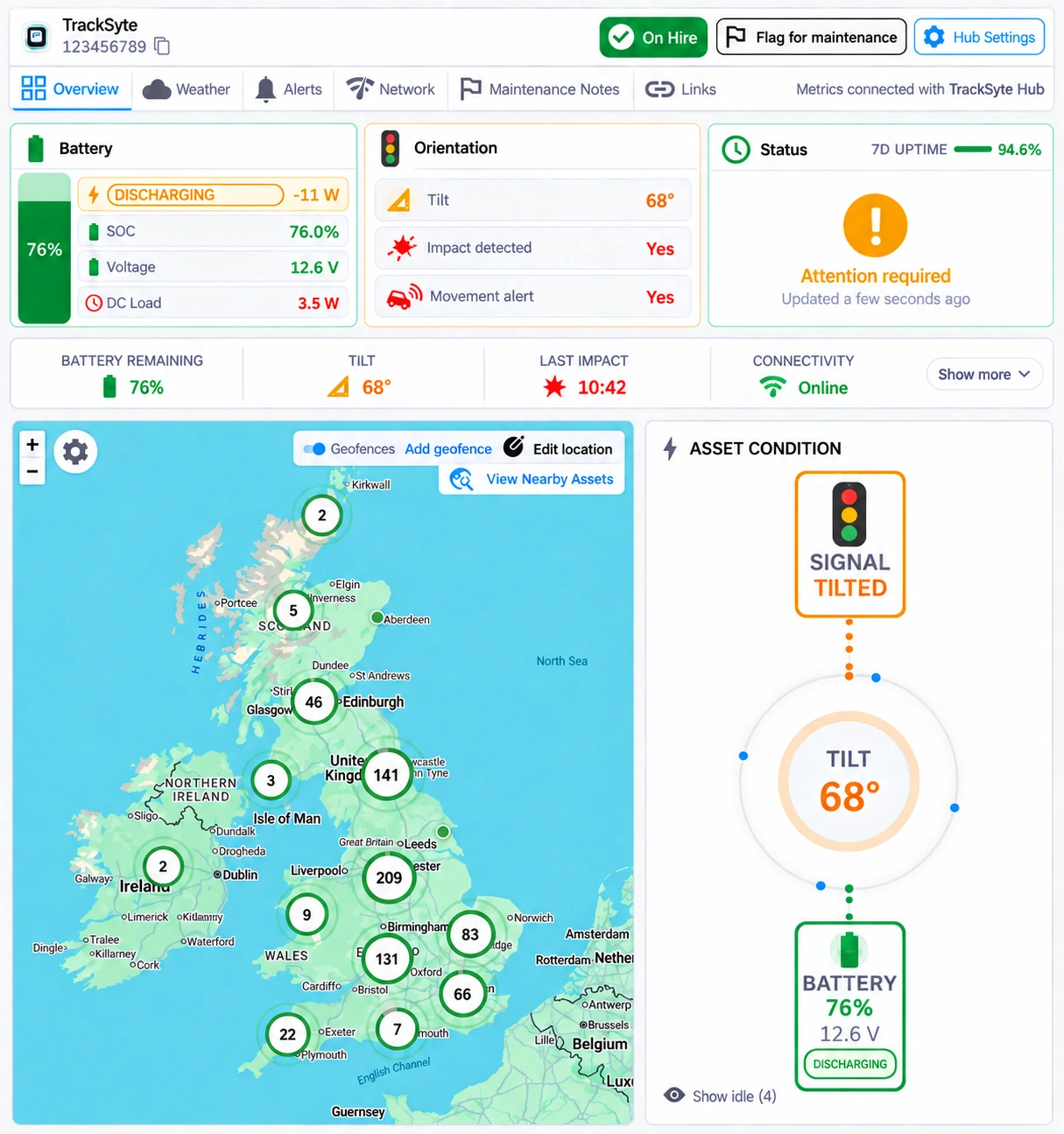
Accurate location information can help operations teams understand where equipment is deployed, support fleet management and identify unexpected movement.
TrackSyte® Neo uses dedicated GPS for accurate outdoor positioning, with Wi-Fi geolocation providing an additional location method in environments where GPS reception is limited.
That means location can become part of the operational picture rather than something somebody has to establish manually.
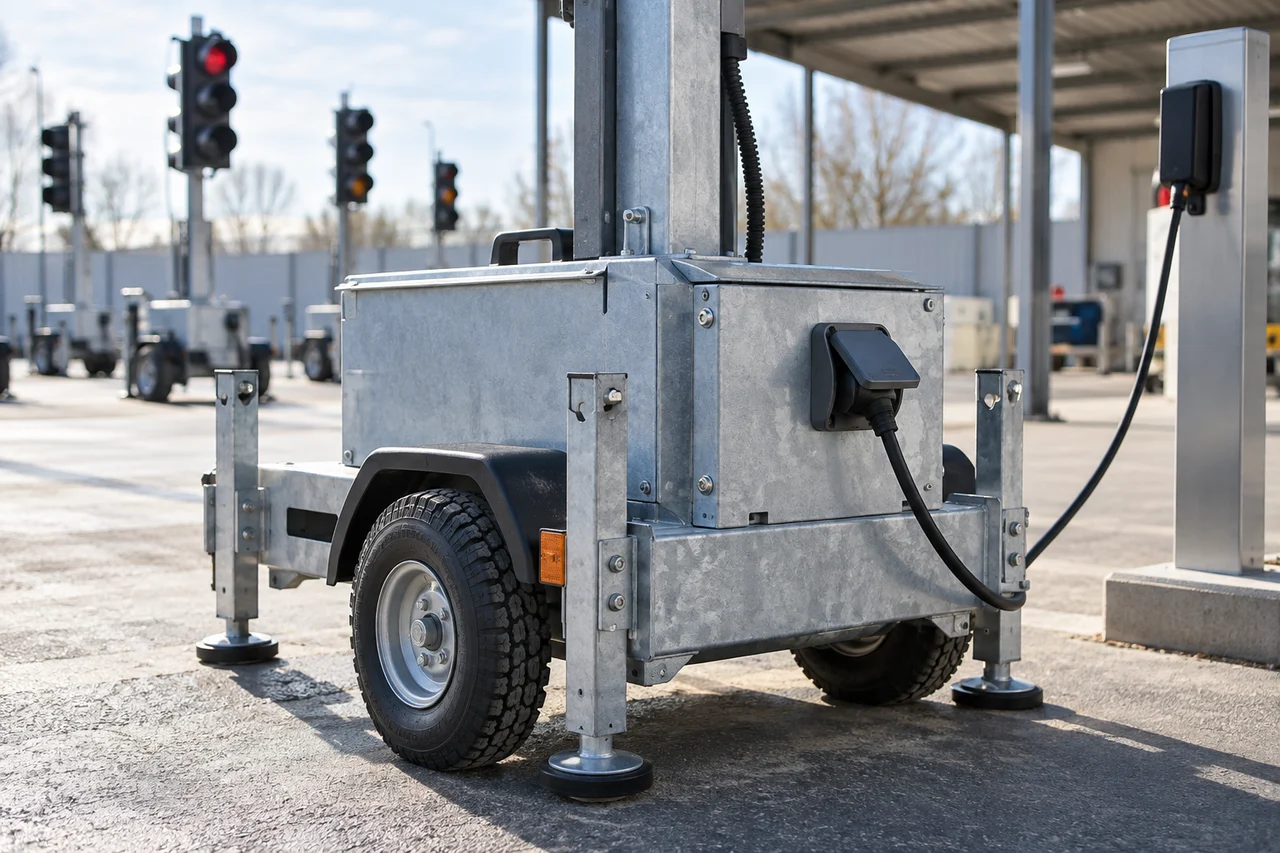
From depot to roadside and back again.
Power
A traffic light is only useful while it has power.
Battery condition is fundamental to temporary traffic operations.
A battery running down isn’t simply an engineering issue. If equipment stops operating, it can disrupt traffic management, generate an urgent call-out and potentially affect the customer or road users.
Remote power monitoring gives teams an opportunity to understand battery condition before that happens.
Rather than routinely travelling to site to inspect or change batteries, the objective is to make those decisions using actual information from the equipment.
Which batteries are healthy? Which are deteriorating? Which actually need somebody to do something?
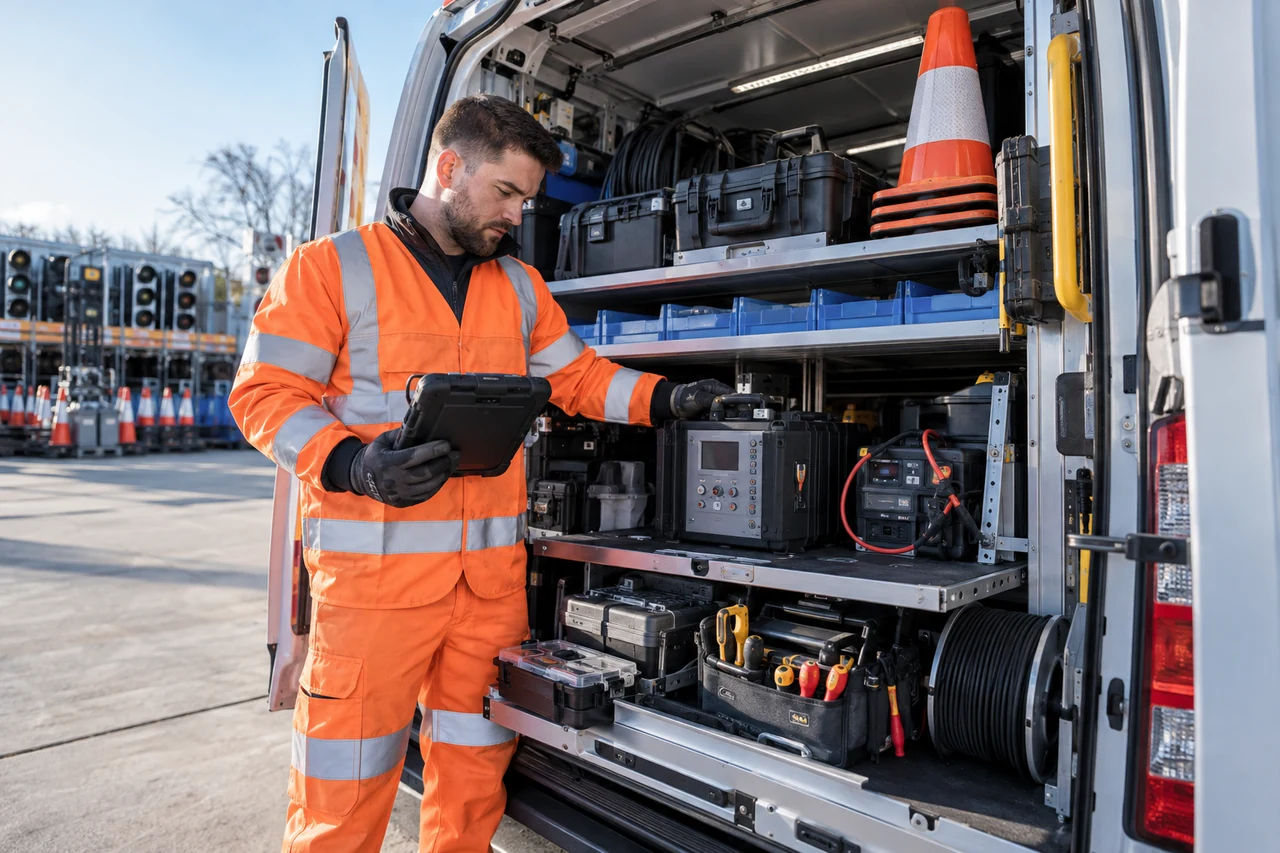
Don’t send an engineer blind.
A fault report tells you there is a problem. It doesn’t necessarily tell you what the problem is.
That distinction matters when an engineer may be travelling significant distance to a roadside location.
Better remote information can help an operations team understand the condition of the asset before dispatching somebody — allowing them to decide whether intervention is necessary and, where possible, what the engineer may need when they arrive.
It’s to avoid unnecessary visits and make the necessary ones more effective.
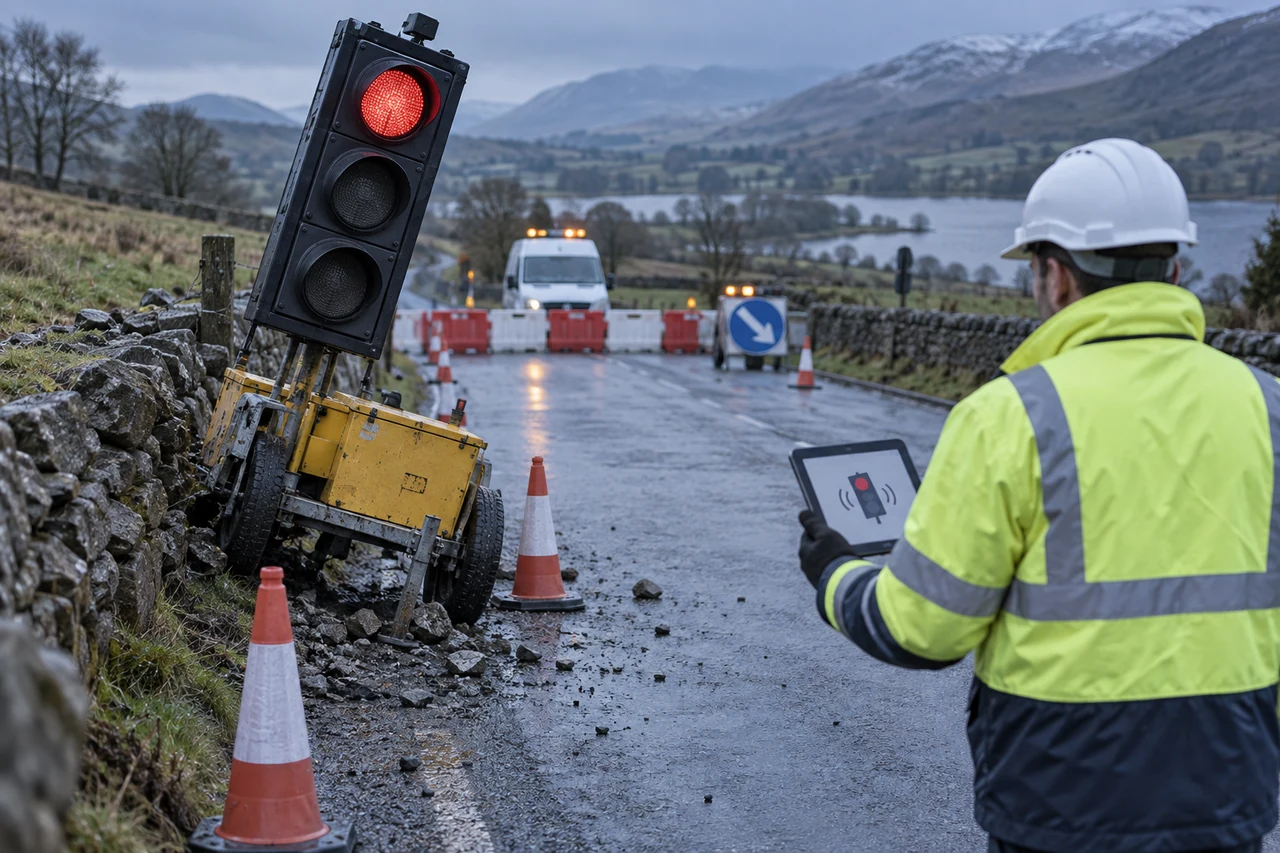
Location tells you where it is. Movement can tell you what happened.
TrackSyte® Neo incorporates a six-axis motion sensor capable of detecting movement, impact and changes in orientation.
For temporary traffic equipment, that opens up possibilities beyond conventional GPS tracking.
An unexpected movement could indicate that equipment has been relocated. A significant impact could indicate that something has happened at the roadside. A change in orientation could provide useful information about the physical condition of an asset.
Rather than waiting for somebody to report it, the asset itself can provide another piece of the operational picture.
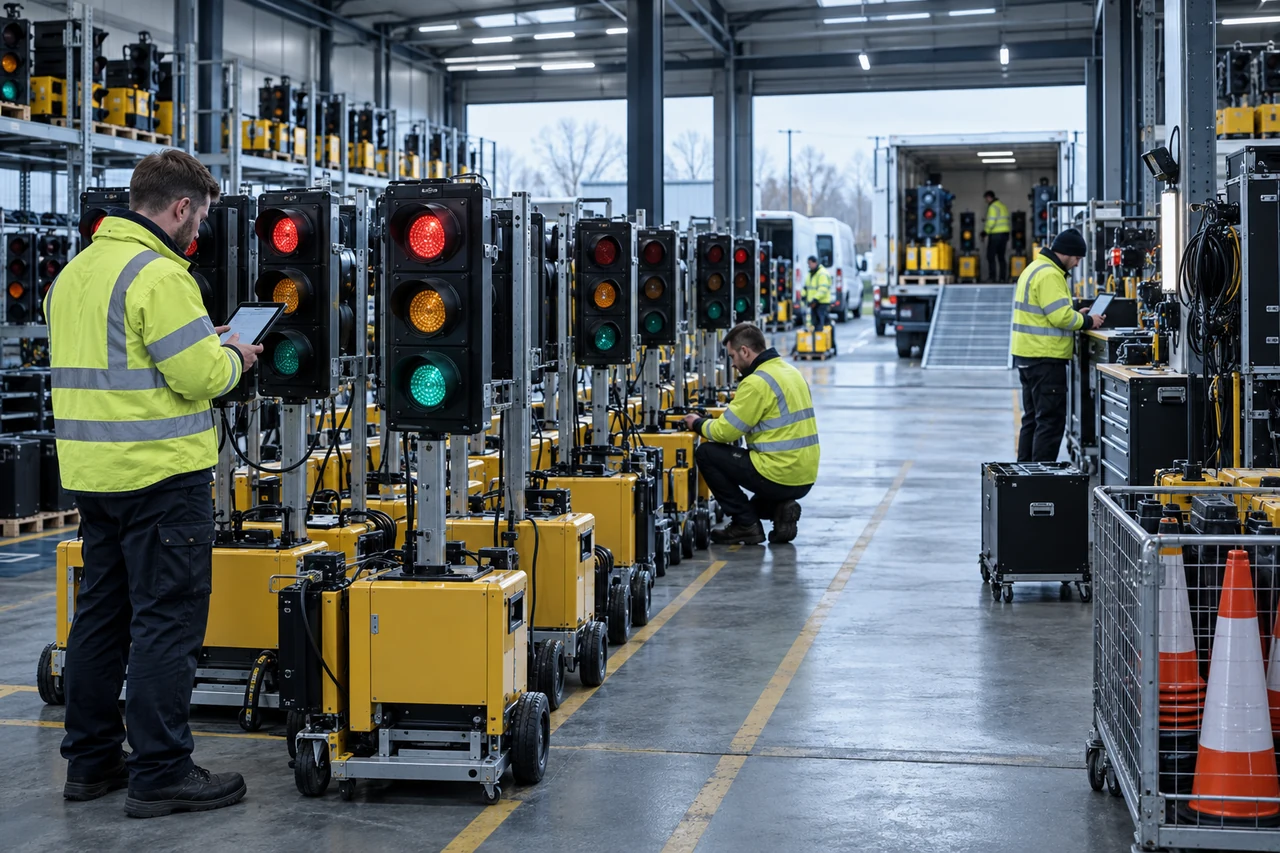
The depot
Better fleet information doesn’t stop at the roadside.
For temporary traffic operators, operational efficiency starts before equipment is deployed.
Knowing what assets you have, where they are and what condition they’re in can help teams make better decisions about allocation, maintenance and deployment.
As equipment moves between depot and site, TrackSyte® can provide a persistent digital view of the asset.
That creates the opportunity to build a better operational history over its working life rather than treating each deployment as an isolated event.
Where is it? Where has it been? What condition is it in? What needs doing before it goes out again?
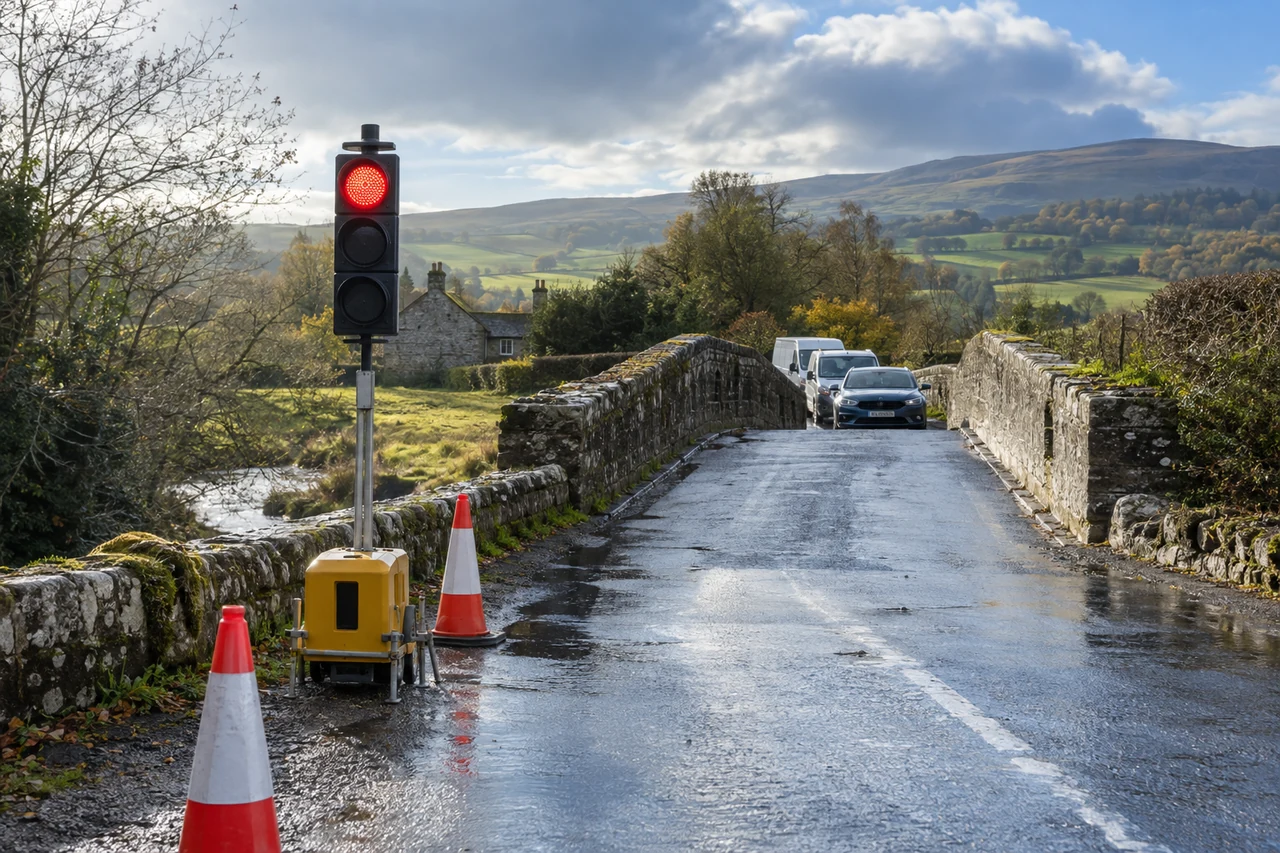
Tracking is useful. Understanding the traffic system is better.
Location and power are only part of the opportunity.
Where compatible interfaces are available, TrackSyte® can connect to equipment and bring operational information from the traffic system itself into the platform.
That creates the potential to combine where the asset is with how the asset is performing.
For operations teams, that’s the difference between having a tracker attached to a piece of equipment and having genuine remote visibility of the asset.
This is an area we’re actively developing with industry partners as we expand TrackSyte®’s capabilities for temporary traffic systems.
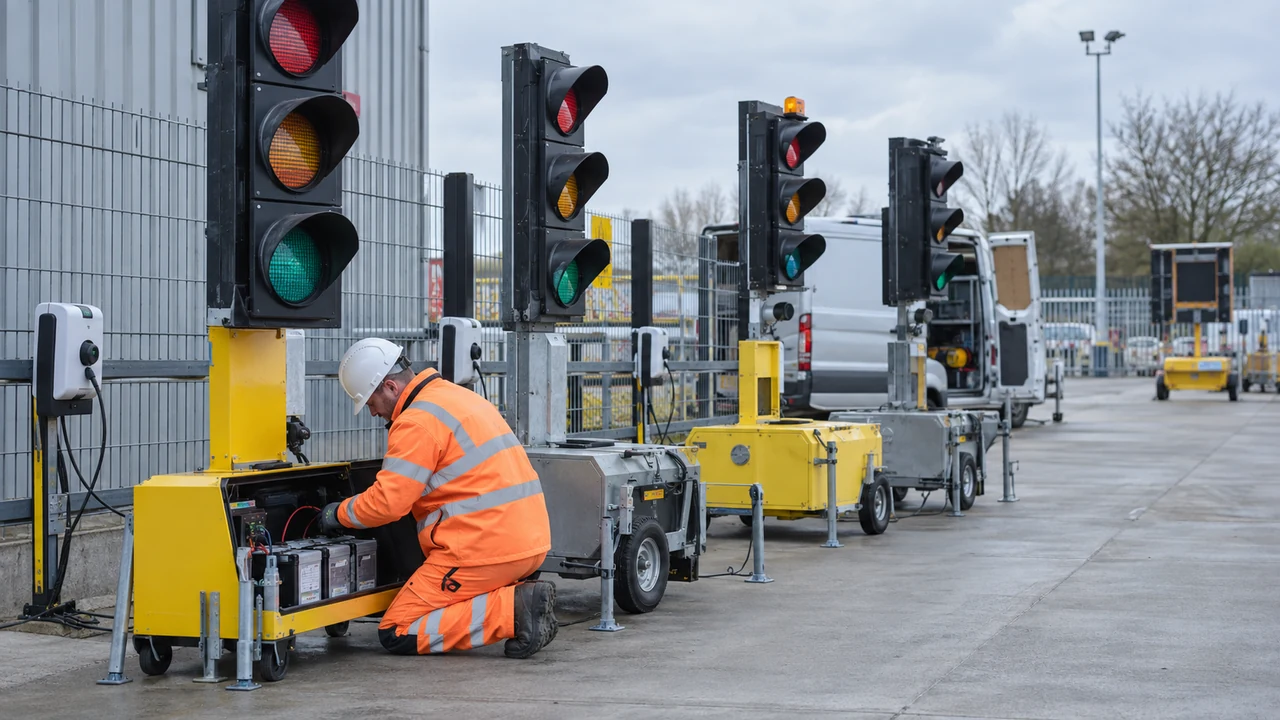
Stop managing assets one incident at a time.
A large fleet creates thousands of individual pieces of information. The operations team shouldn’t have to search through all of them.
TrackSyte® brings distributed assets into a single platform, giving teams a fleet-wide view and allowing them to focus on exceptions — the assets whose location, power, status or behaviour suggests that something needs attention.
Don’t ask your team to watch every asset. Show them the assets they need to care about.
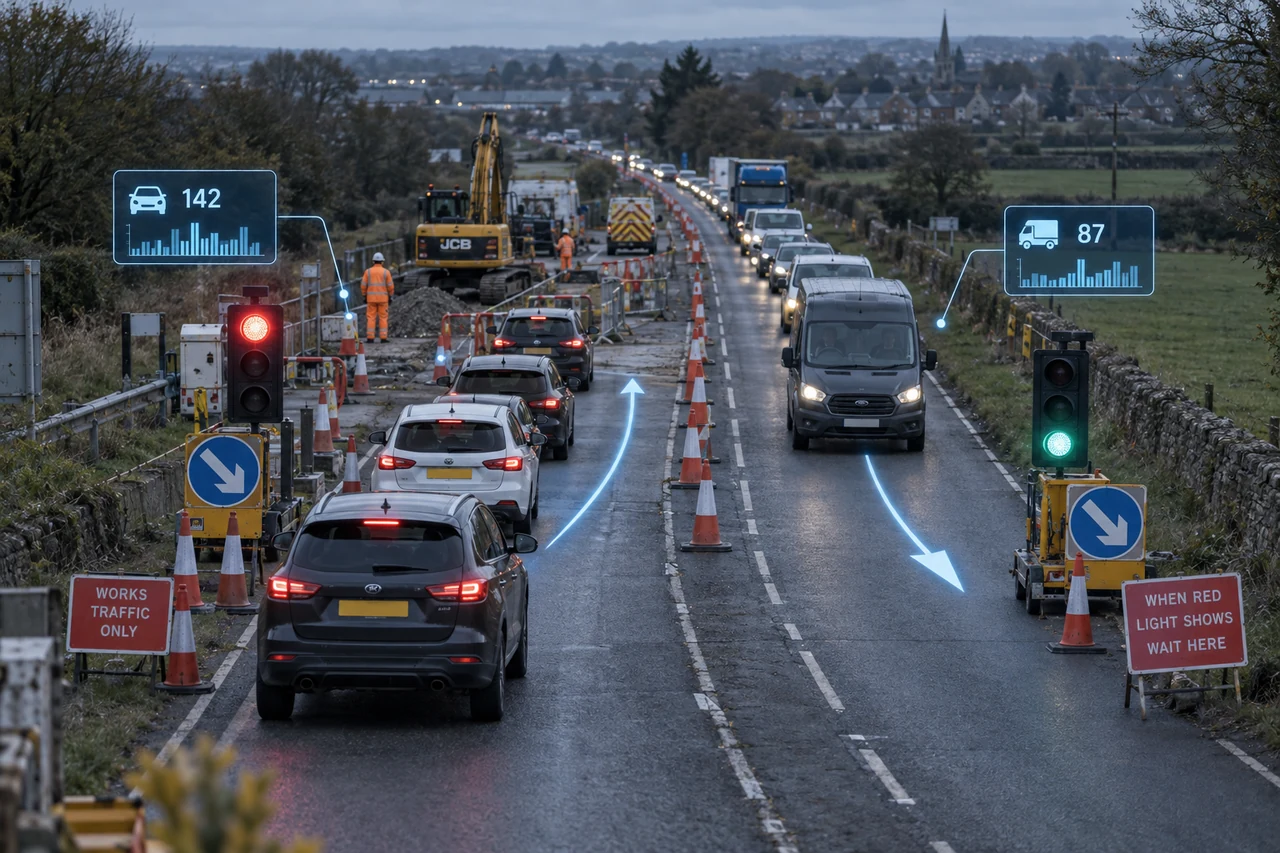
What if the traffic itself could tell you more?
We’re exploring how the intelligence available from roadside equipment could extend beyond the condition of the asset itself.
That includes investigating ways of understanding traffic behaviour around temporary signals — for example, identifying changes in vehicle volumes or queueing that could give operators additional insight into how a deployment is performing.
It’s early-stage work.
Once an asset is connected, the question becomes: what else could it tell you?
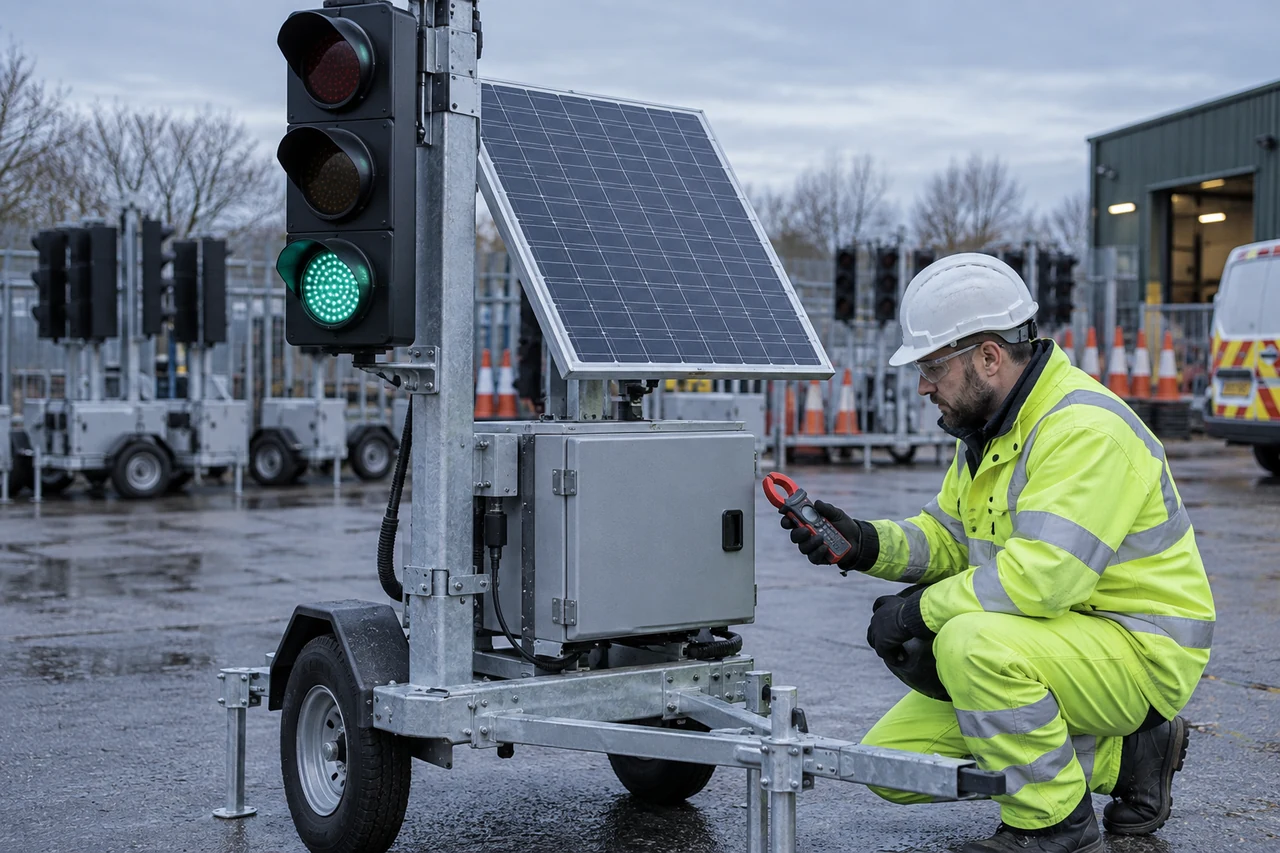
Low power matters here too.
Temporary traffic equipment needs technology that can operate without placing unnecessary additional demand on its power system.
TrackSyte® Neo has been designed for low-power remote monitoring, with very low average consumption depending on configuration and reporting frequency.
Combined with GPS, Wi-Fi geolocation and motion sensing, it gives us a hardware platform designed around the practical constraints of distributed temporary infrastructure.
Maximum Insight. Minimum Power.™
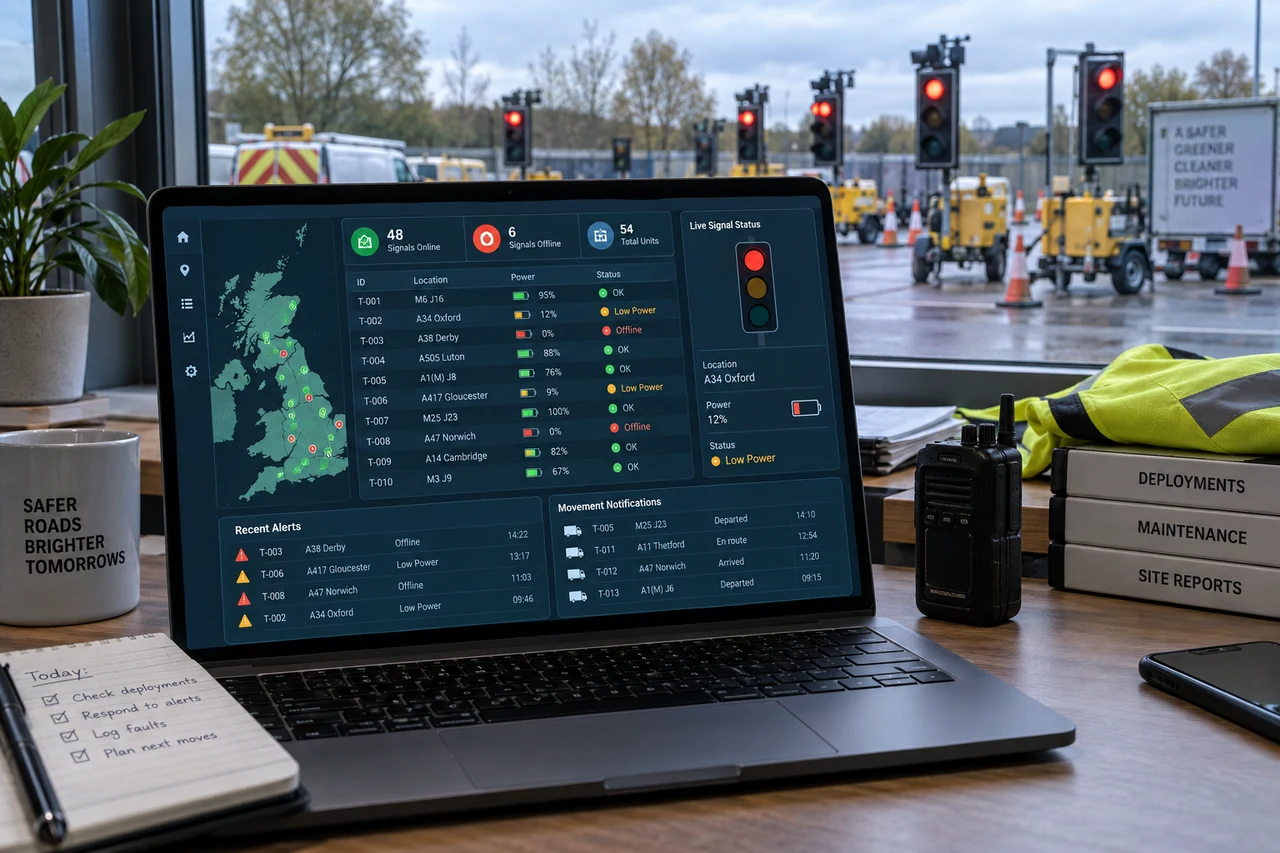
From tracking equipment to understanding operations.
We think the opportunity in temporary traffic goes well beyond putting dots on a map.
Location is the starting point. Add power information and you understand more about whether an asset can continue operating. Connect to the equipment and you can begin to understand its operational state. Add movement, impact and eventually information about what is happening around the asset, and the picture becomes richer again.
That’s the direction we’re working towards: connected temporary infrastructure that tells the operations team what they actually need to know.
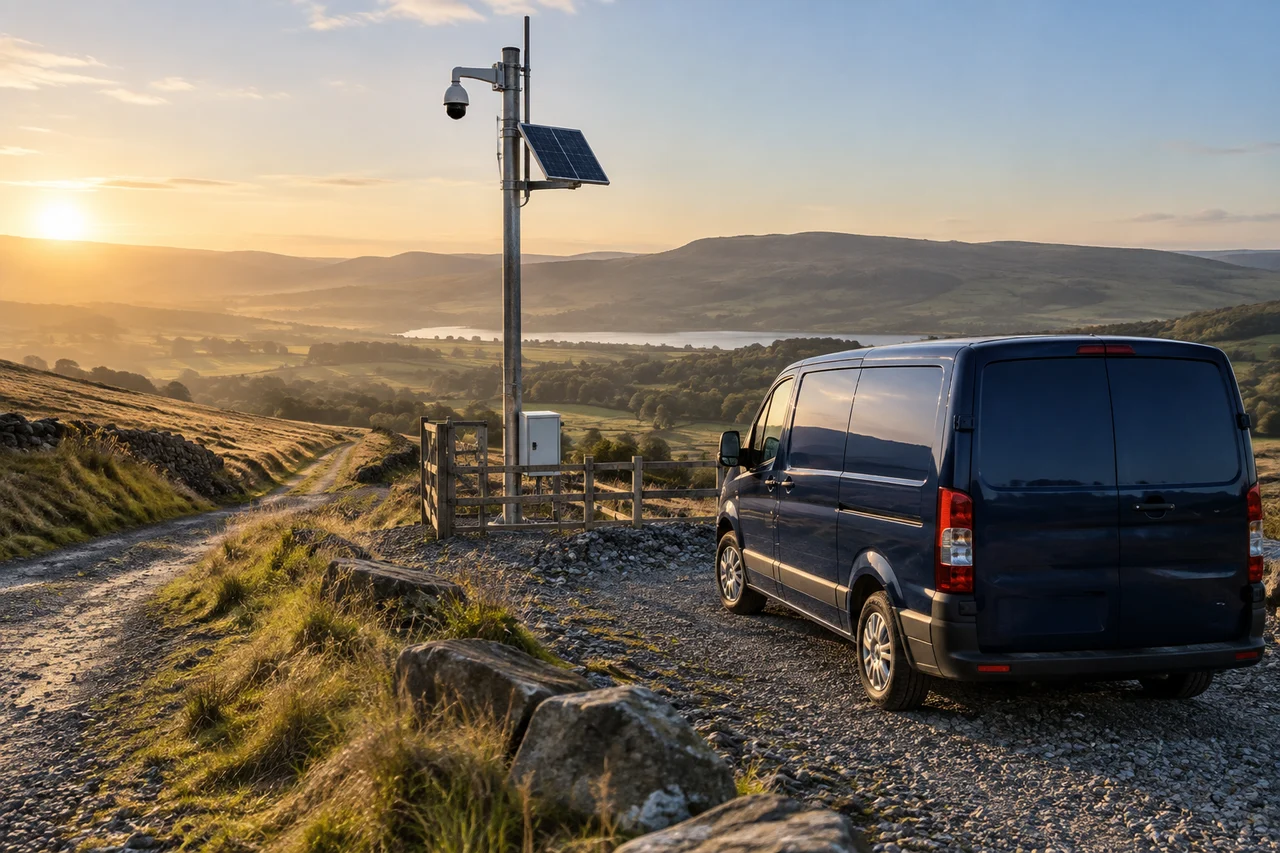
Explore TrackSyte® for Temporary Traffic.
TrackSyte® provides the hardware and platform behind our approach to connected temporary infrastructure. Visit TrackSyte.com to explore the technology, platform and applications in more detail.
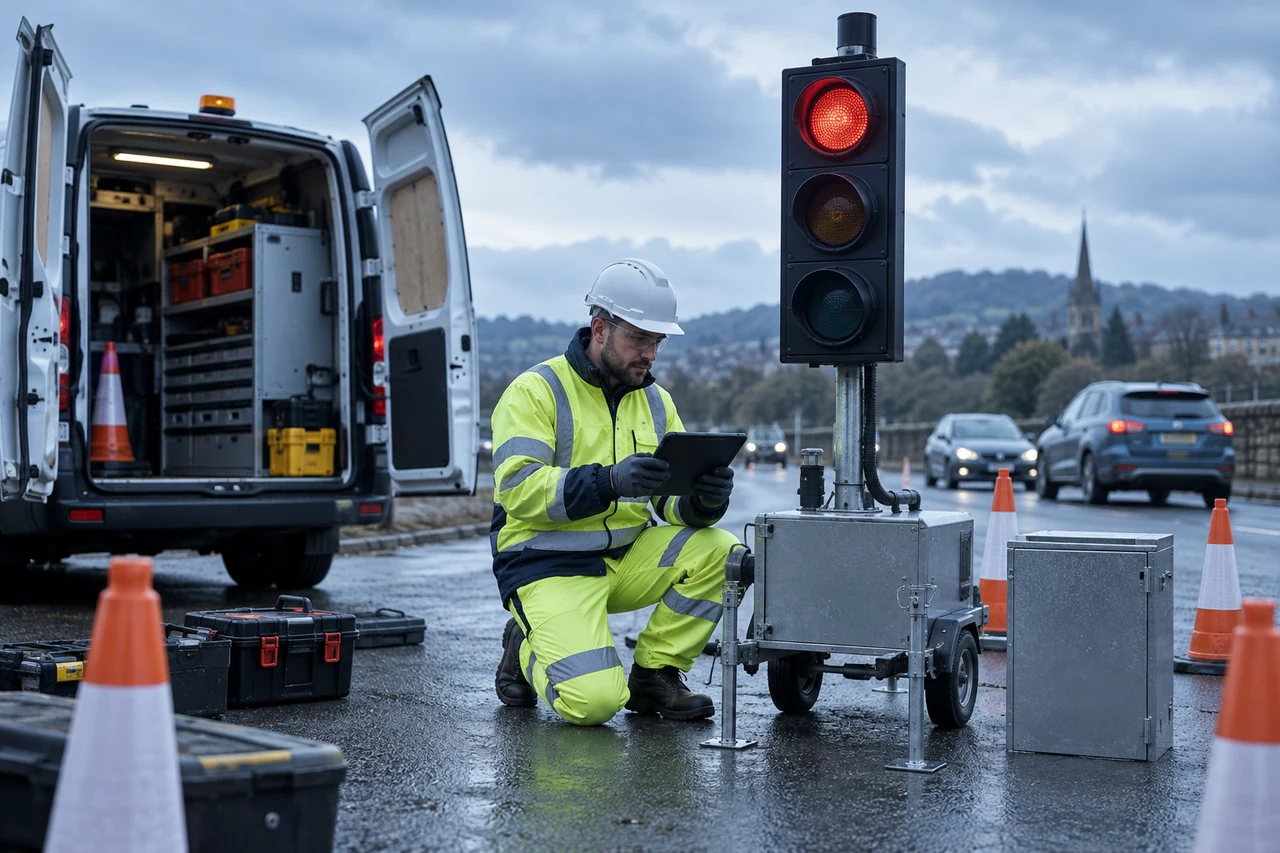
What do your engineers currently have to go to site to find out?
That’s where we’d start.
If you manufacture, hire or operate temporary traffic equipment, tell us where the blind spots are today — from asset location and battery condition to faults and fleet management.
We’ll show you where better information could help.